Why We Grow: Looking Beyond the Grocery Bill
It is one of the most common questions we get when clients first reach out to us: “If we install an edible garden, how much will we save on our grocery bill?”
It is a completely logical question. But our honest answer usually surprises people: if you are measuring the value of a garden solely by the price of a head of lettuce, you are totally missing the point.
If you want to compare a homegrown cucumber to a conventionally grown, plastic-wrapped supermarket cucumber, the supermarket will win on raw price. But this misses the shift that happens when you start harvesting your own dinner.
The most immediate shift is simply the flavor and quality.
There is literally a scientific reason a backyard tomato tastes like sunshine while a store-bought one tastes like water. The moment a plant is harvested, its nutrients begin to degrade—some greens lose up to ninety percent of their Vitamin C within days of harvest. Instead of being bred for flavor, supermarket produce is bred to survive weeks of bumpy transport — picked unripe and artificially gassed to turn red on the truck. When you harvest from your own yard, the plant has spent its final days packing the fruit with natural sugars, complex flavors, and peak nutrients.
But the benefits run much deeper than flavor.
When you look at the "Blue Zones" of the world—the regions where people live the longest, healthiest lives—almost all of them share a common thread: a culture of daily gardening. Working in the dirt isn't just about the food; it's a quiet form of physical therapy. Tending to plants keeps us moving, bending, and stretching, maintaining mobility and longevity naturally. Stepping outside into the fresh air to harvest, weed or prune forces us to slow down with intention, which is just as good for our minds as it is for our bodies.
Marcus grew up actively gardening alongside his Italian relatives, so the moment we bought our home here in Alameda—our first little plot of land to call our own—it was only natural that he immediately started putting seedlings here-and-there (and everywhere!).
We often take for granted how connected our kids are to their food, mostly because the garden has been there since day one—but I had to discover the wonder of growing something from seed-to-plate right alongside them.
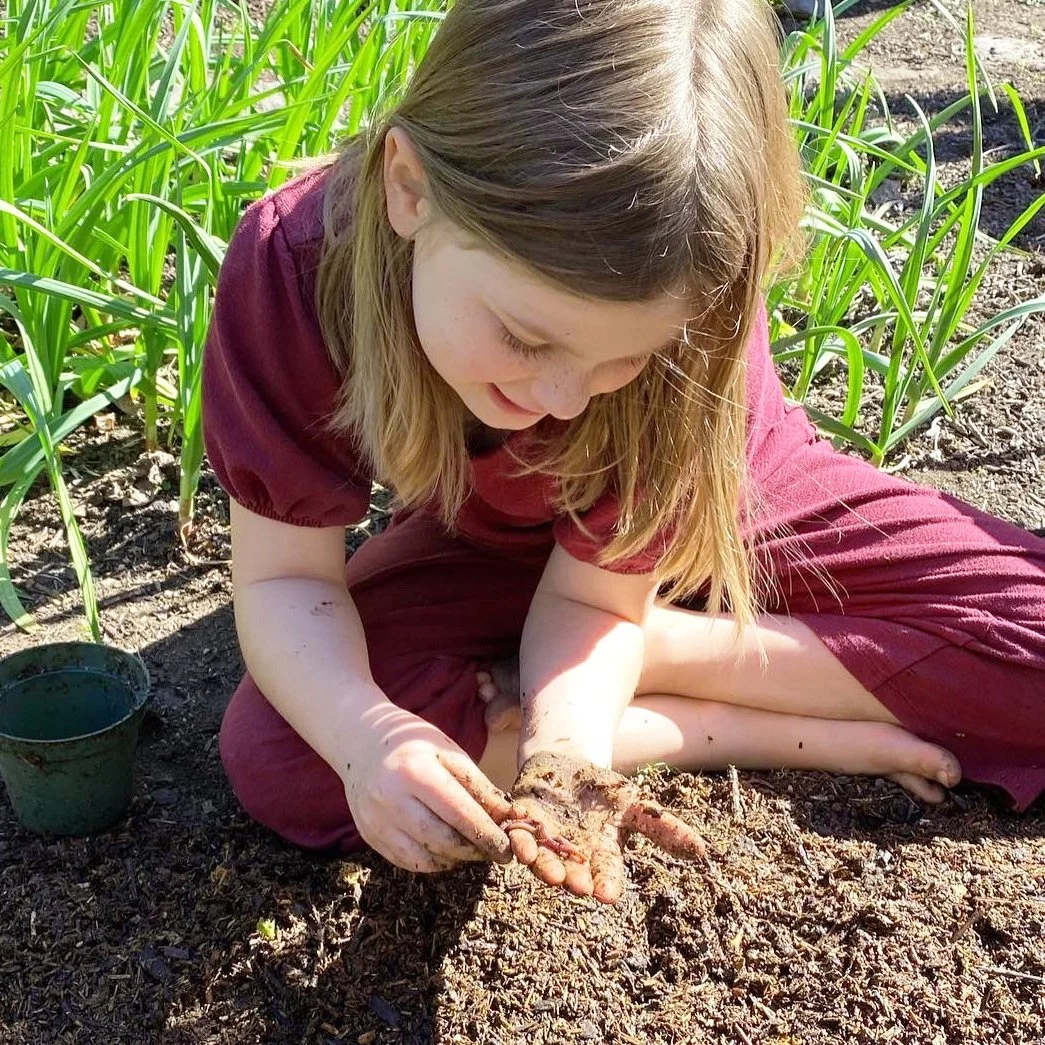
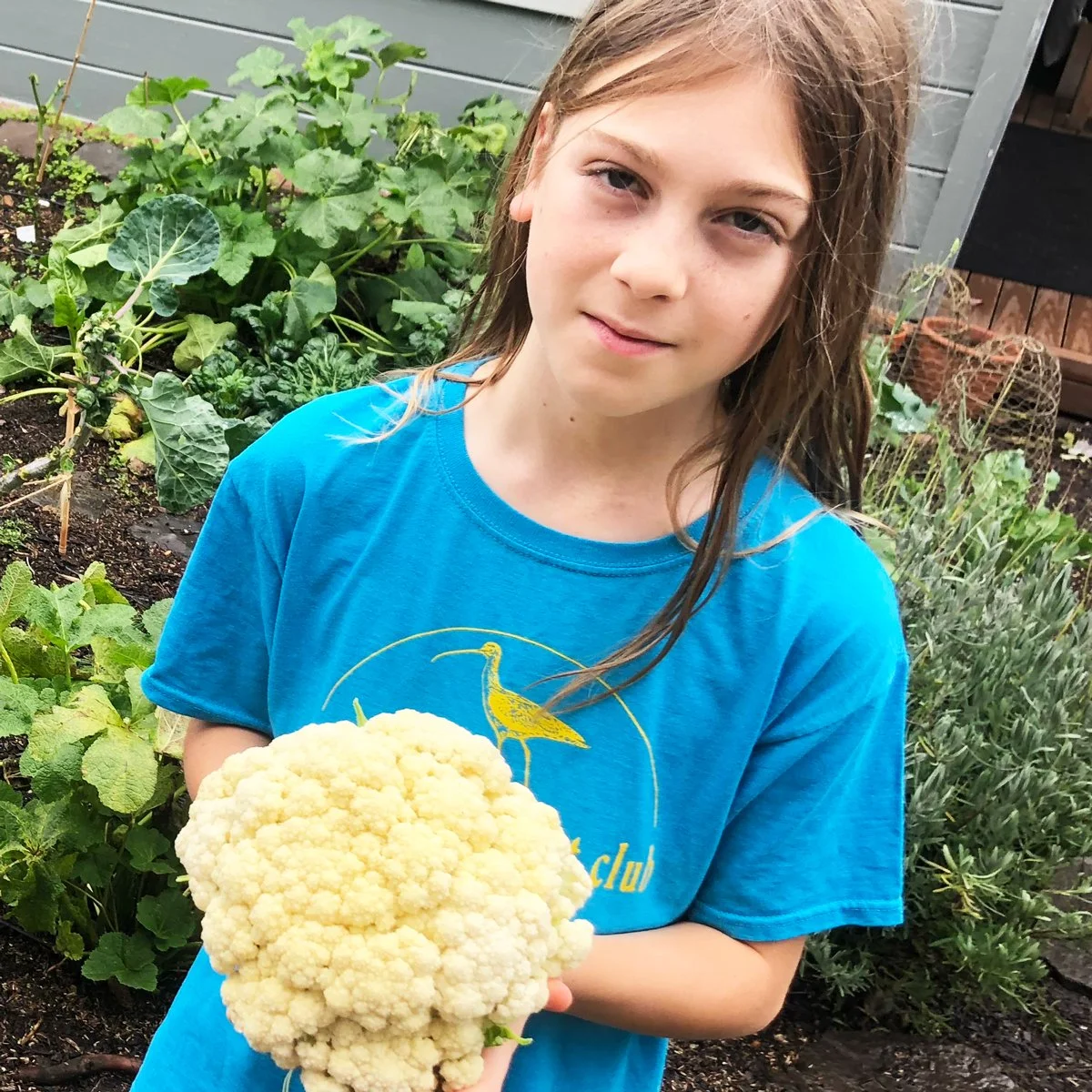
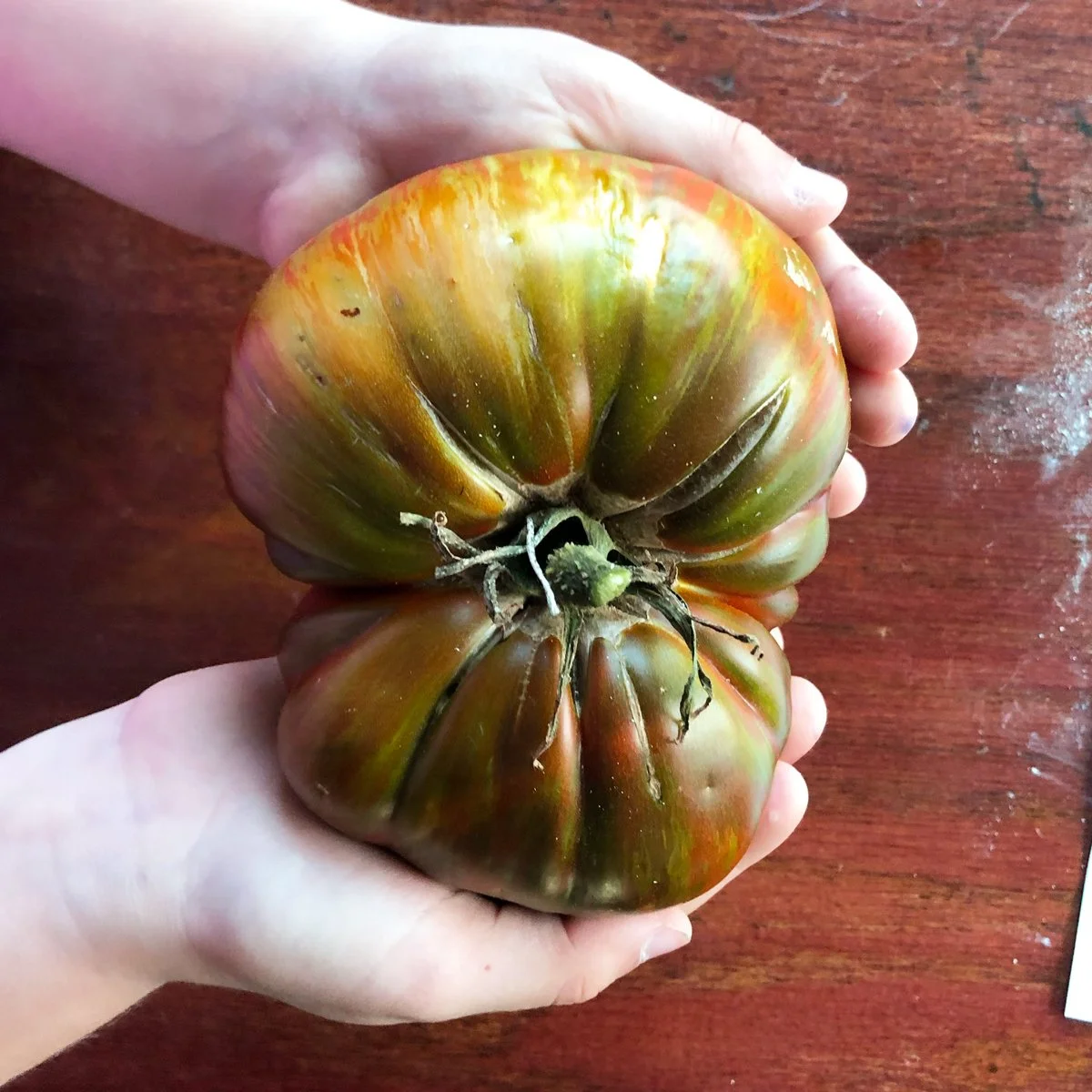
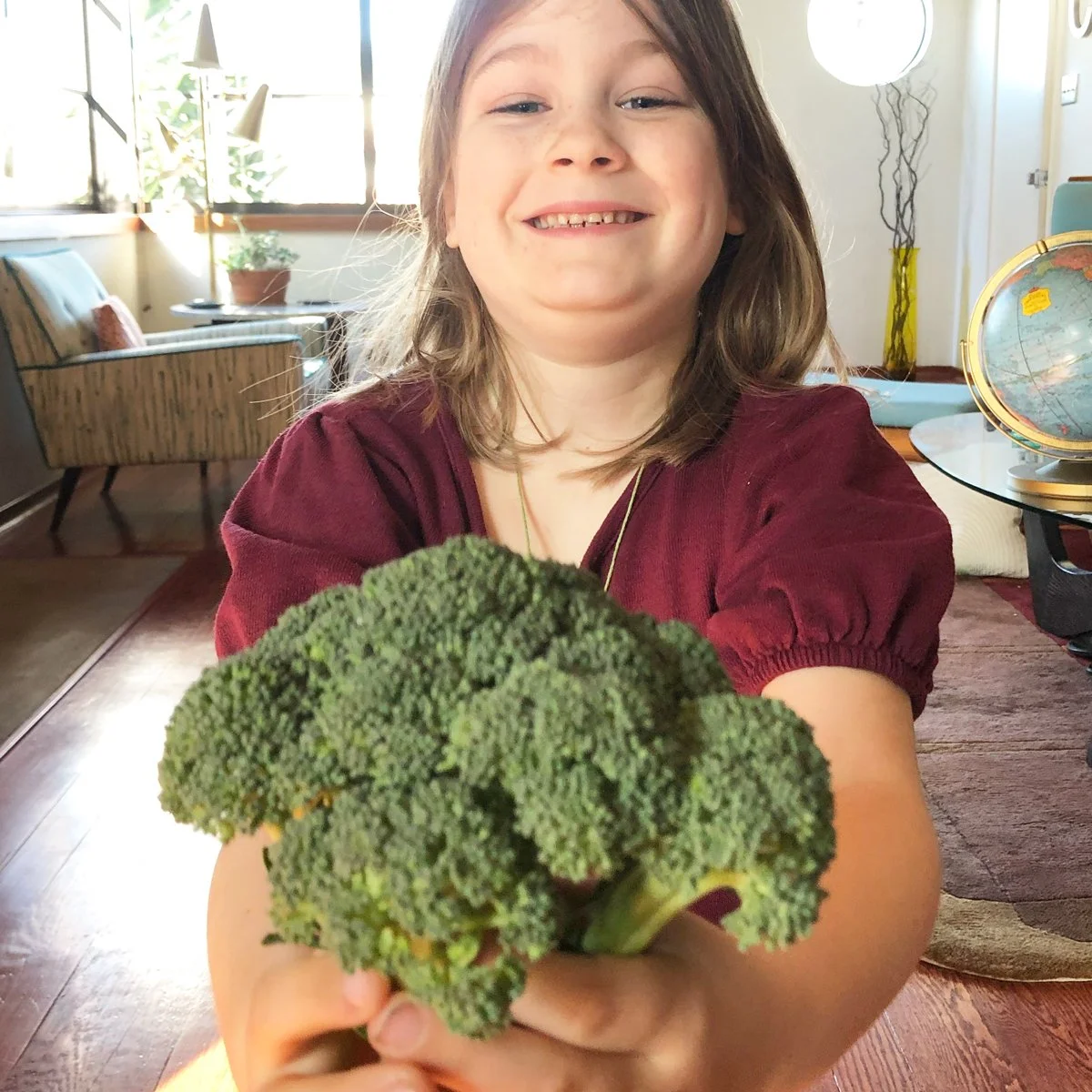
Because the garden has always been there, our kids developed a natural relationship with the kitchen even before they hit double digits. For them, the garden is just part of how they eat. They are now teens, and they aren’t going out for fast food with their friends, or making frozen pizza or boxed mac & cheese as a snack. In fact, it’s not unusual for them to pack salads for their lunches. And when our son makes ramen, he heads outside to harvest bok choy, green onions, and fresh eggs from our yard. Our daughter has her own herbal tea section in the garden, and she mixes up herbal-infused mocktails when her friends come over.
Tending this small patch of earth together has taught us to slow down, eat with the seasons, and appreciate the unmatched flavor of food picked minutes before it's eaten.
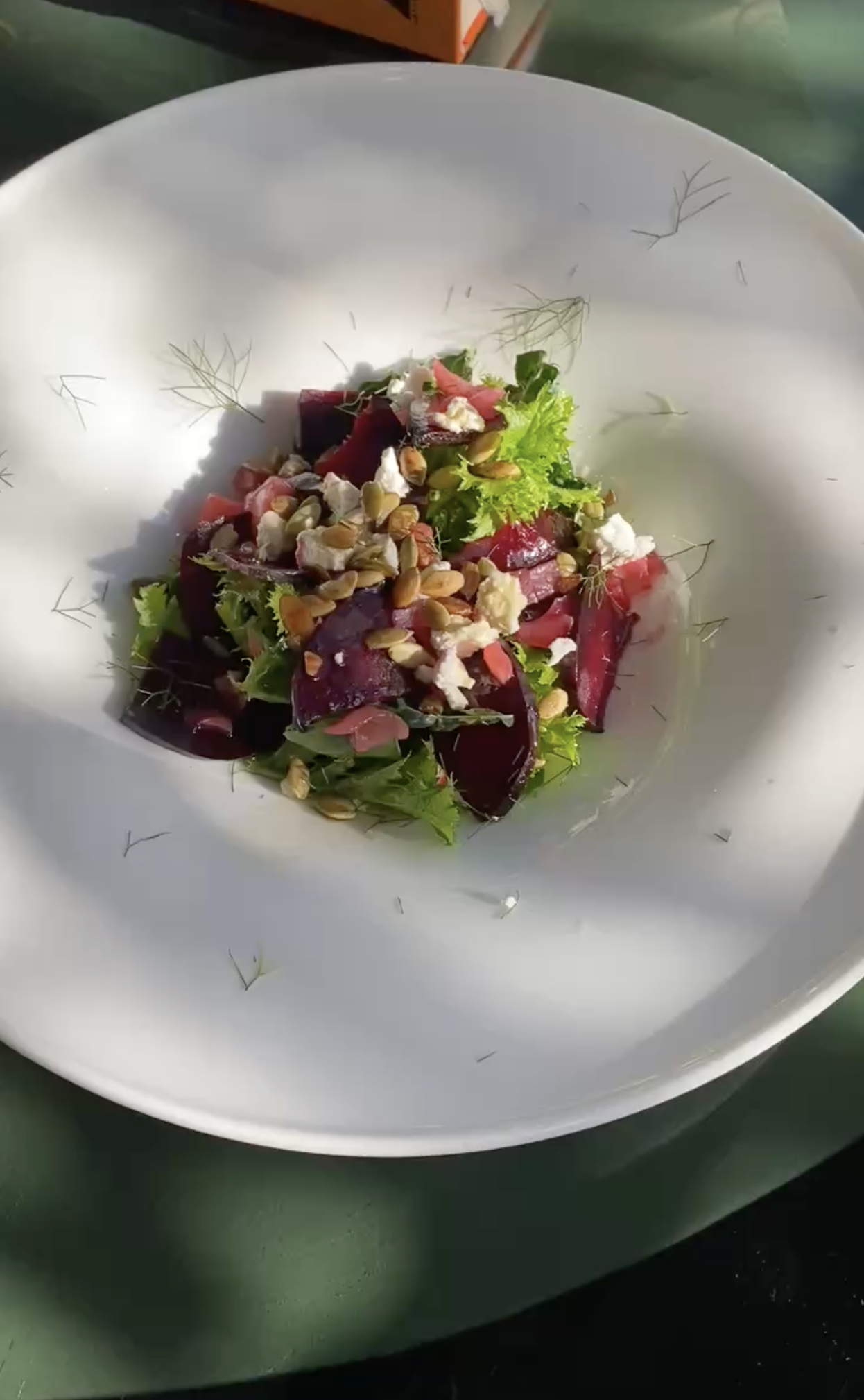
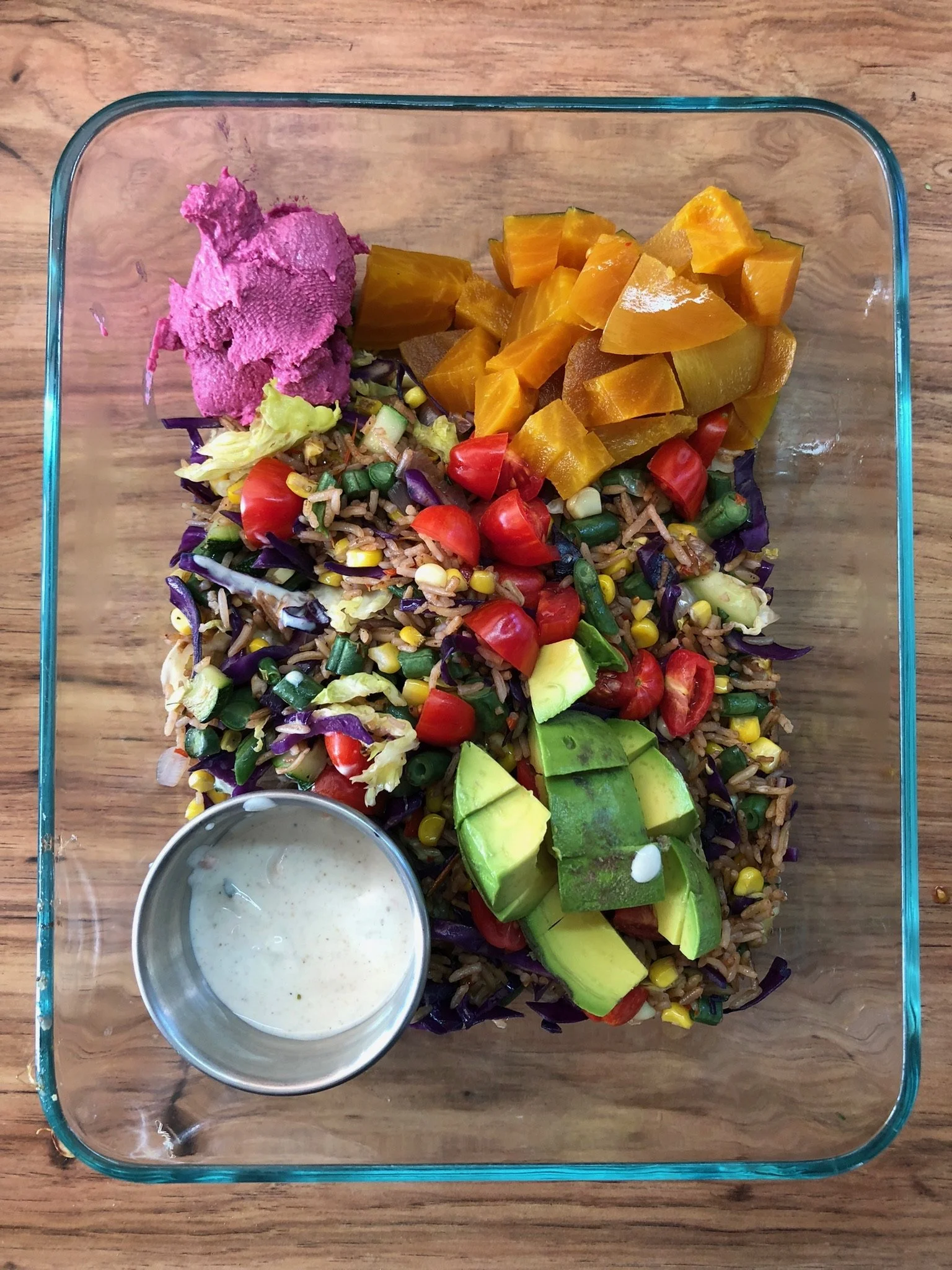
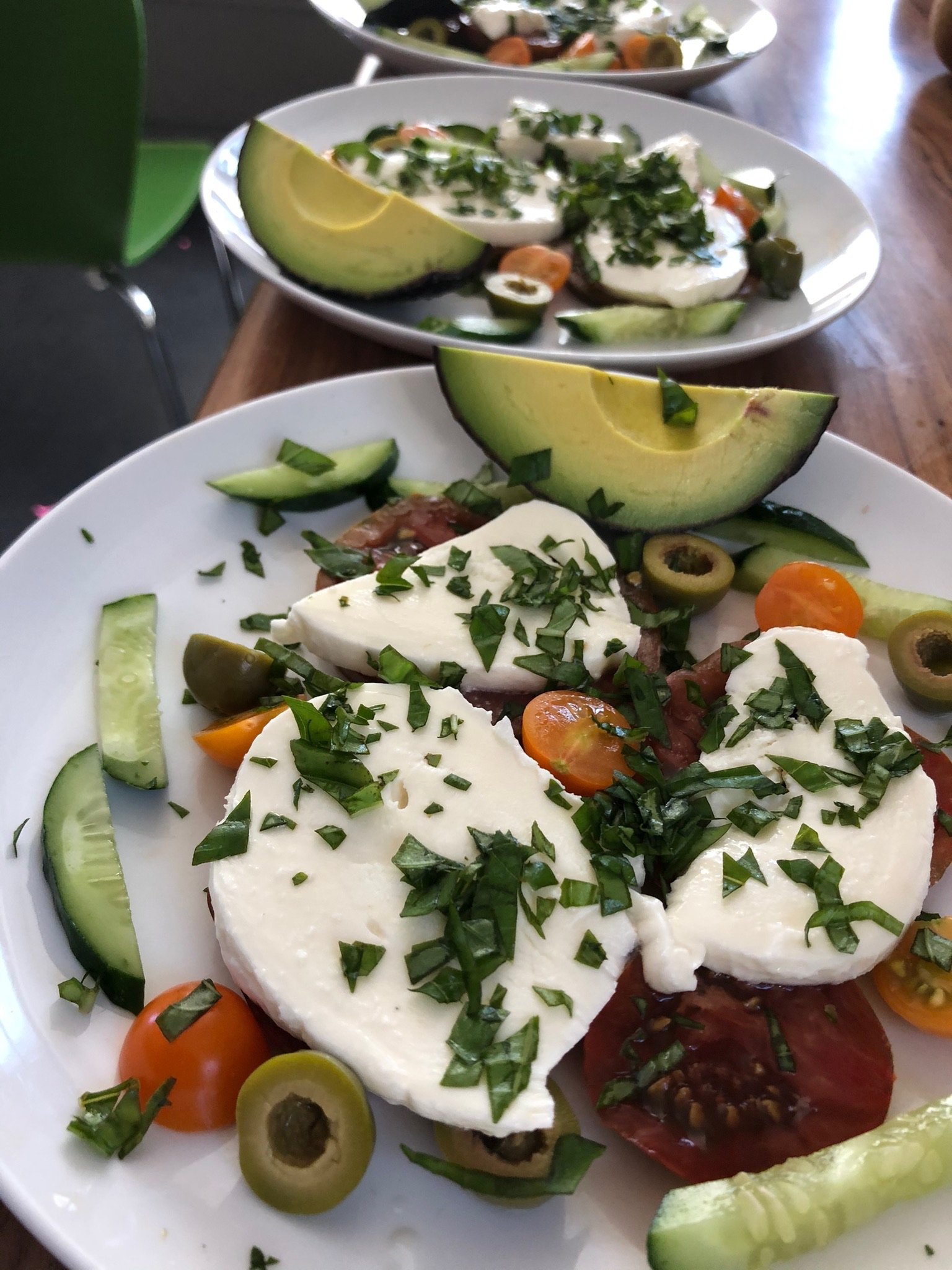
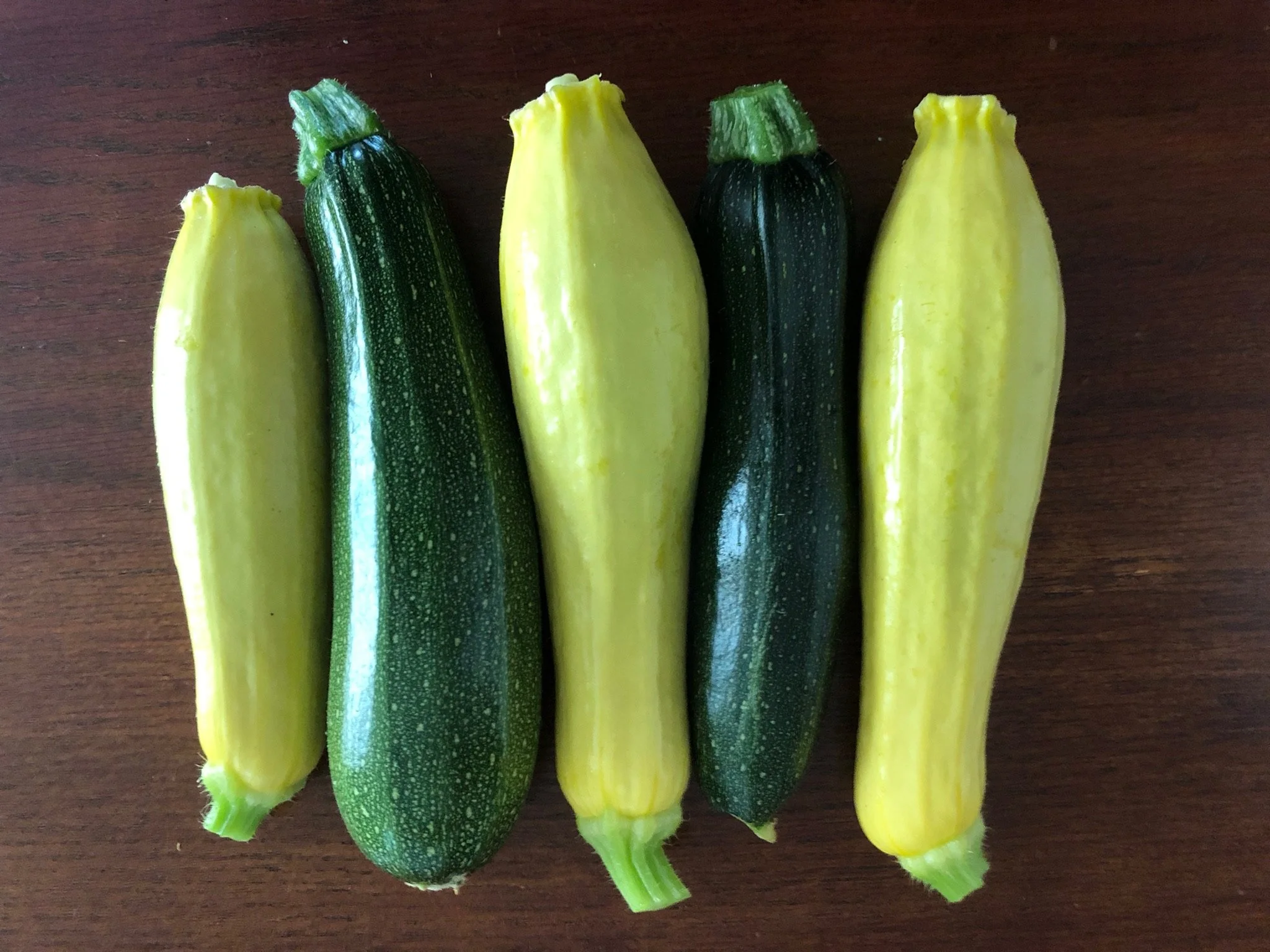
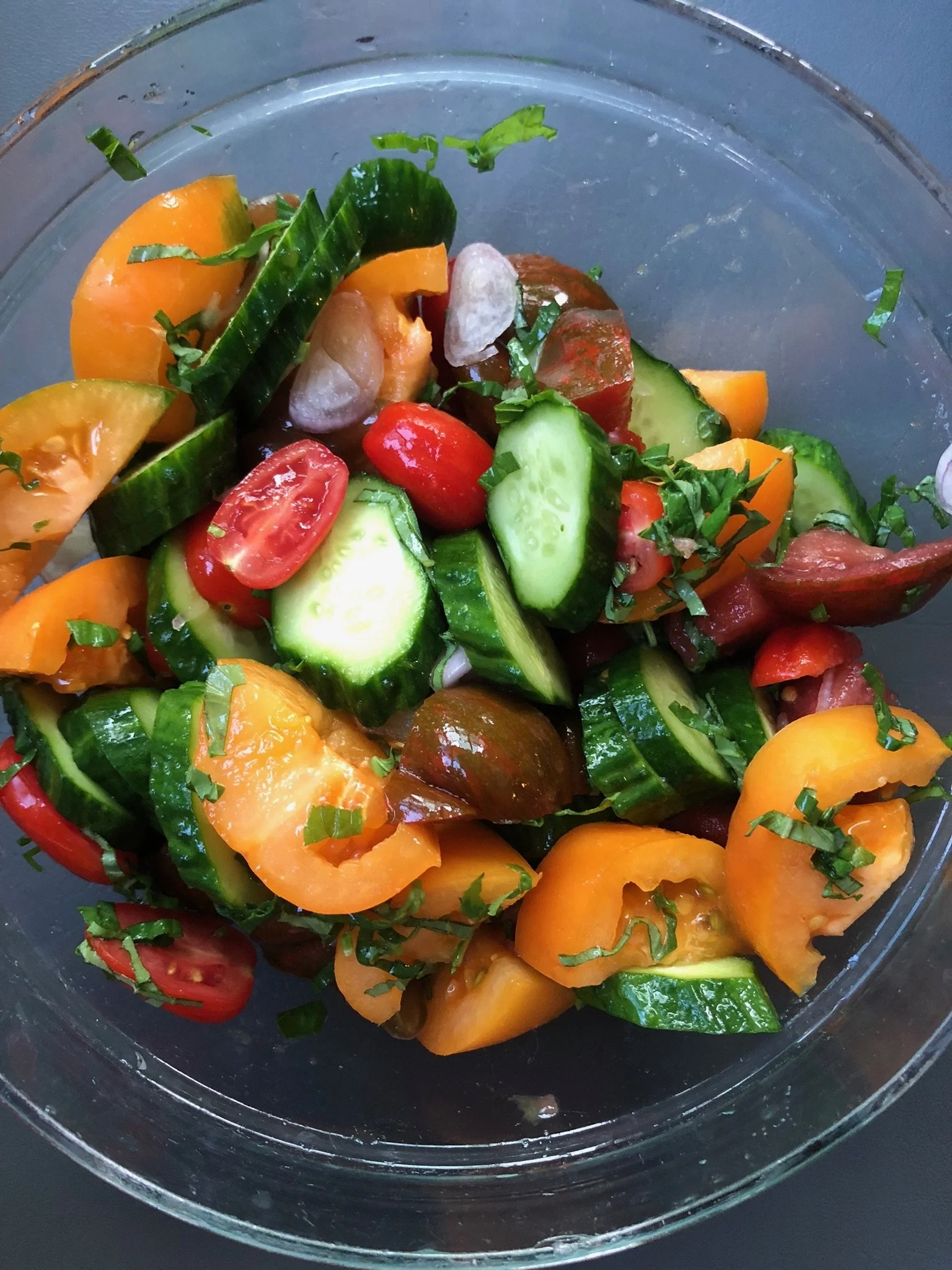
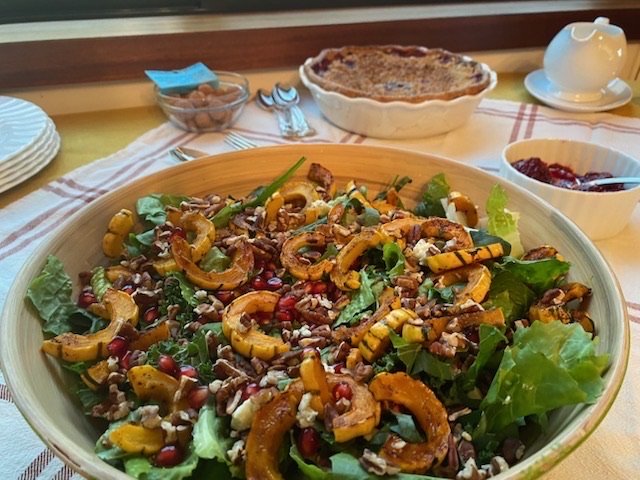
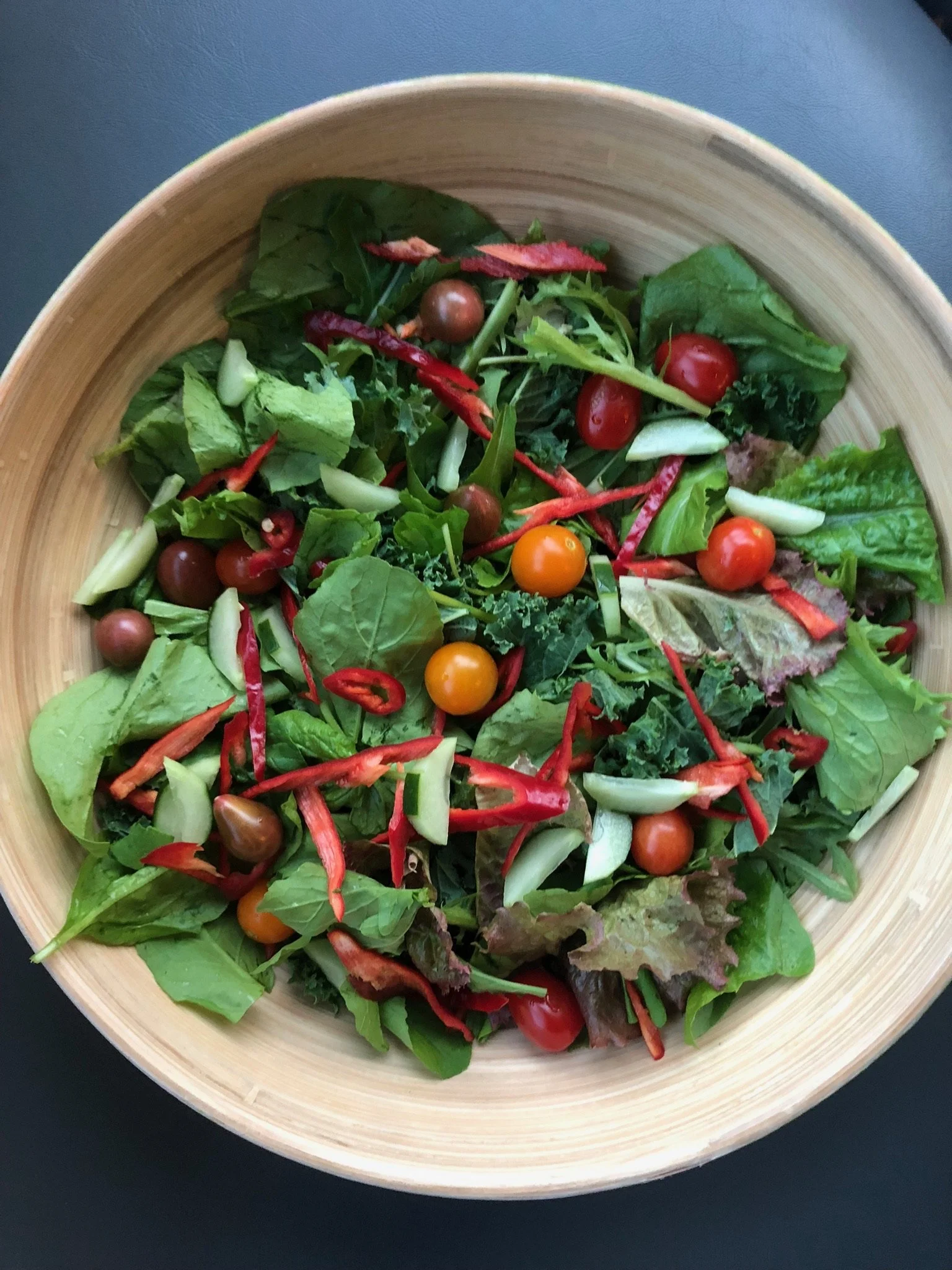
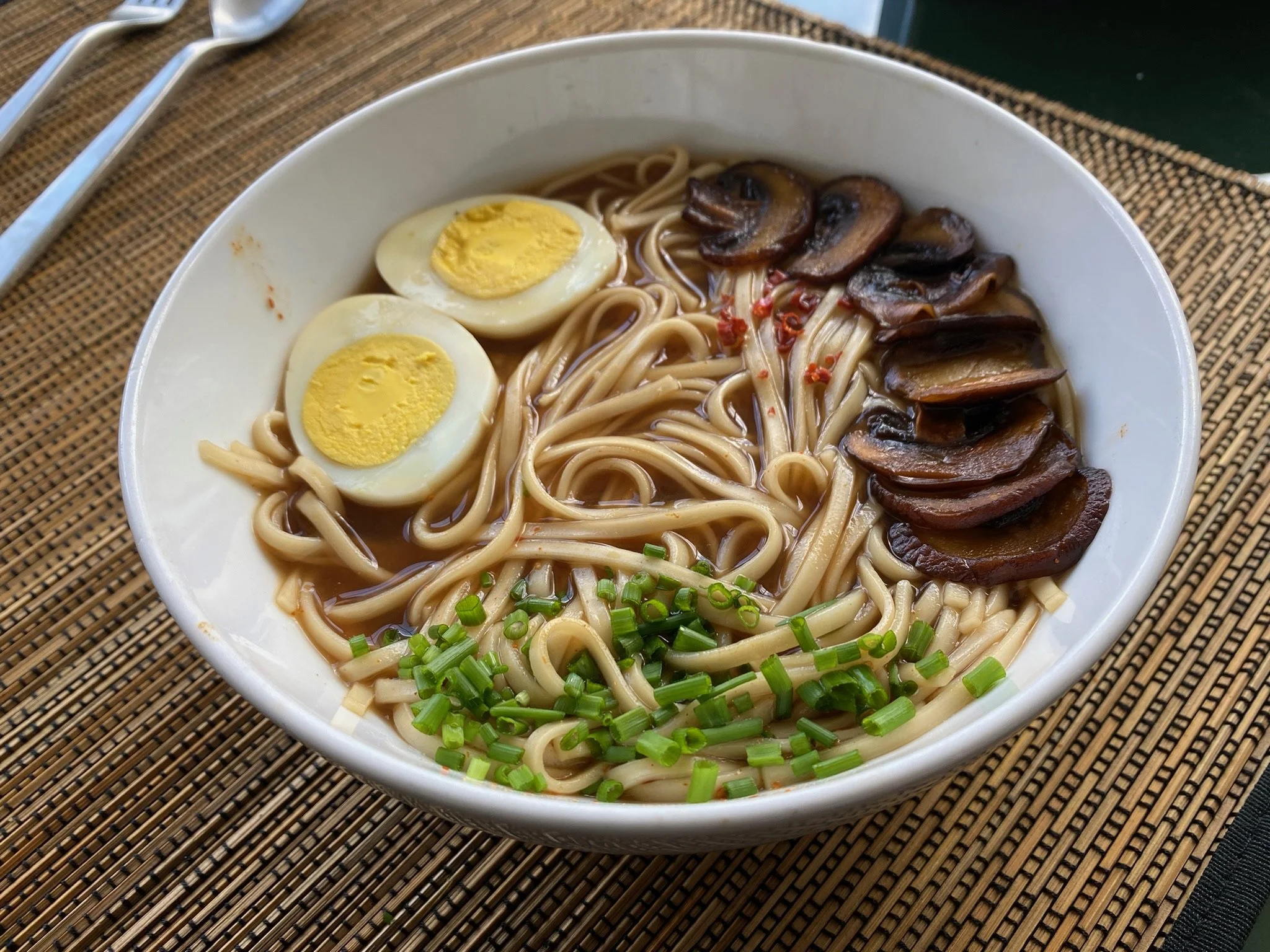
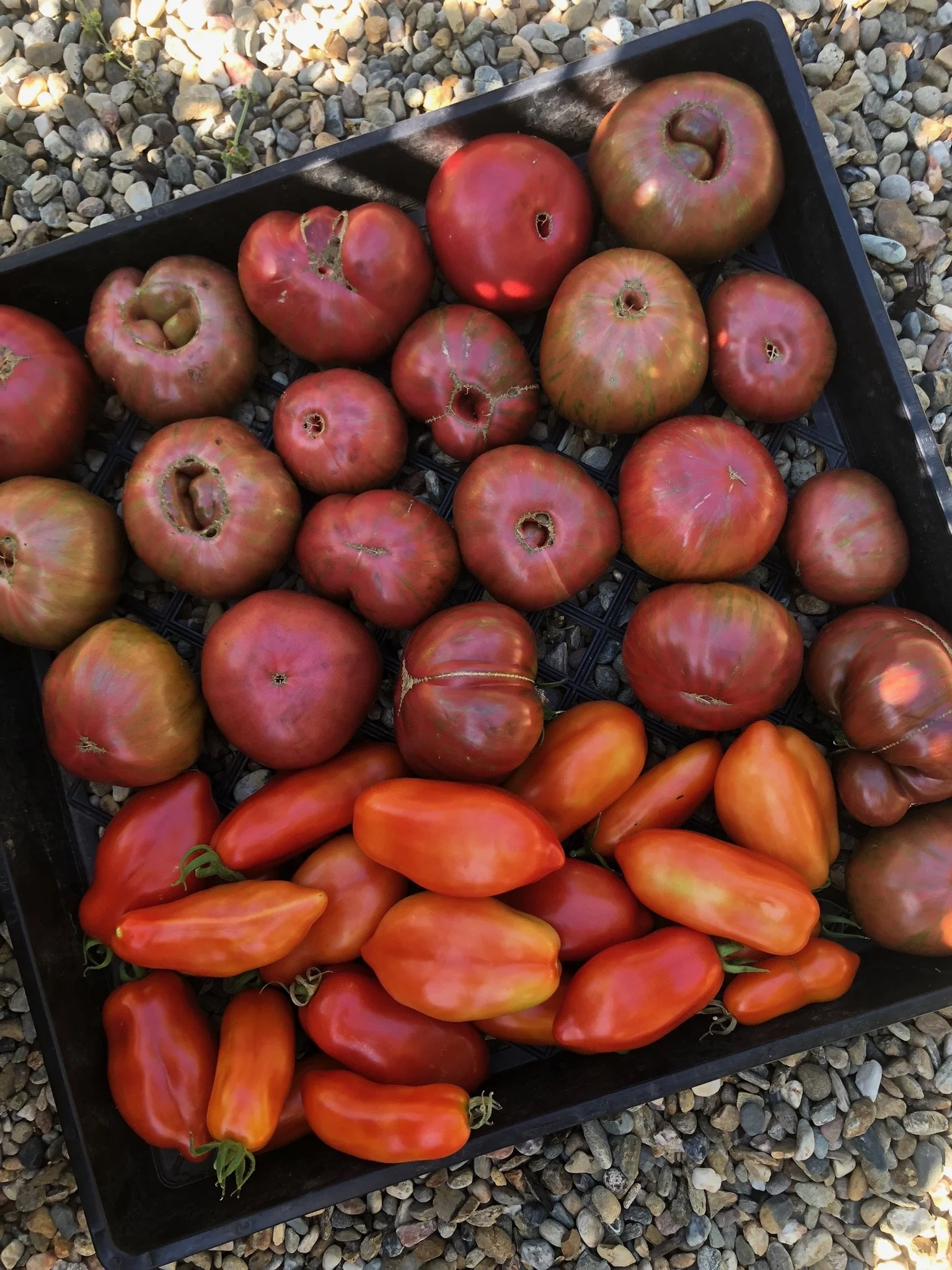
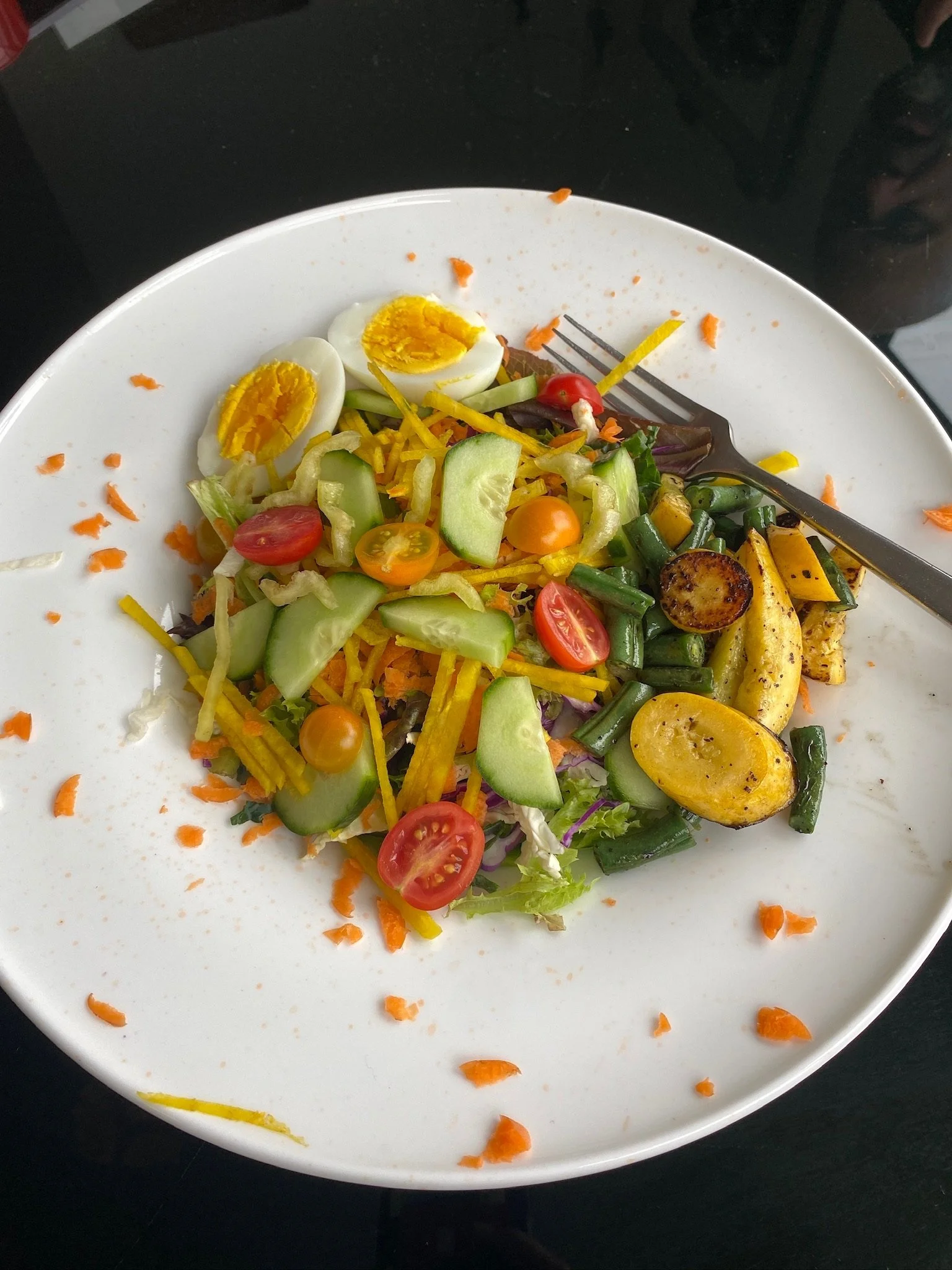
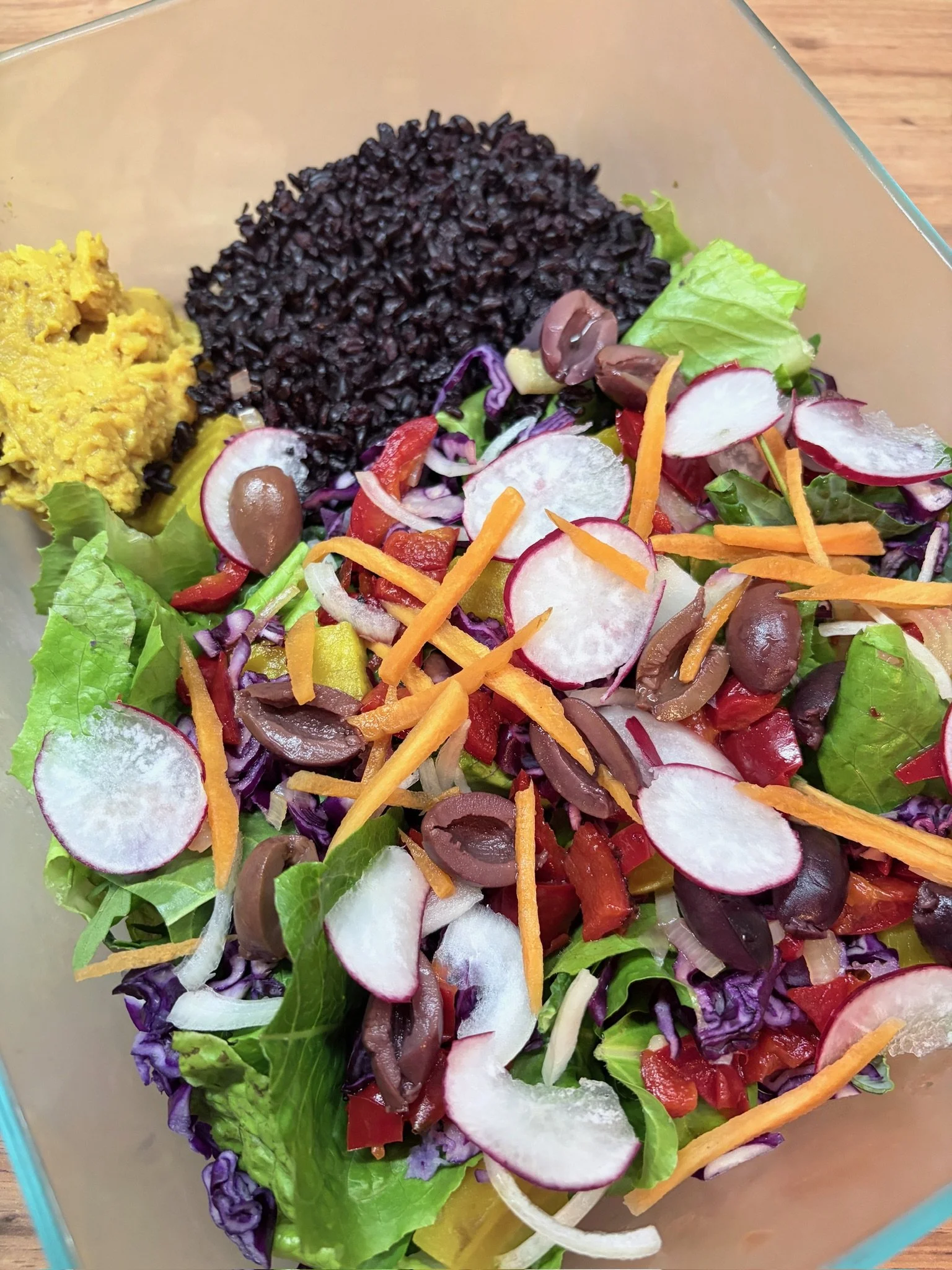

(Yes, we are total dorks and take photos of our food.)
Let’s be realistic: unless you have a half-acre of land or more, a family of four is still going to need to buy produce. Your backyard garden isn't going to fully replace the grocery store. But what a garden does do is shift how you think.
In the modern supermarket, it is always summer. You can buy asparagus in November and butternut squash in July, but that convenience comes with a massive carbon cost from shipping food halfway around the world. Once you get used to the flavor of eating what’s actually in season in your own yard, your shopping habits naturally change to eating with the seasons. You stop expecting summer veggies in the dead of winter. Instead, you start seeking out local farmers and regional food systems to supplement what you aren't growing yourself. This keeps your food dollars in the local economy, supports sustainable farmers, and strengthens our regional food resilience.
By making this shift to seasonal, we are actively healing the planet—one yard at a time.
It doesn't need to be complicated, and you don't need to overthink it. Just pick a sunny spot in your yard, plant a few veggie seedlings from your local nursery, and watch what happens. You might be surprised by the kind of "change" you discover.