
Spice Up Your Bay Area Garden with the Resilient Rocoto Pepper!
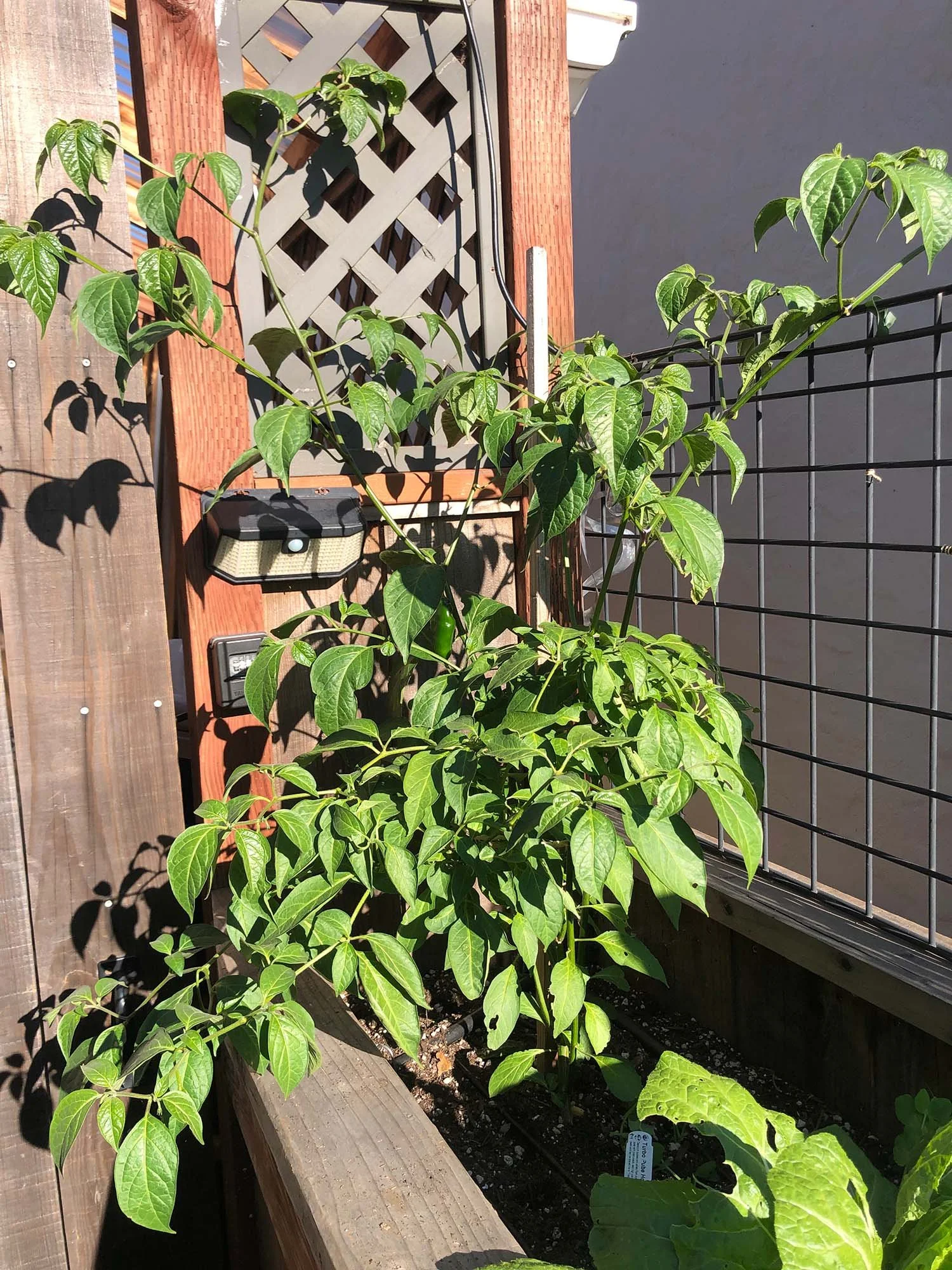
Rocoto peppers can become woody, resembling a tree or bush.
Here at Newfound Foodscapes, we're always on the hunt for unique and rewarding edible plants that thrive in our beautiful San Francisco Bay Area climate. And let me tell you, the Rocoto pepper is a true standout that deserves a prime spot in your garden!
Imagine a pepper that combines the satisfying crunch of a bell pepper with a vibrant, fruity heat. That's the Rocoto – and it's so much more.
A Journey from the Andes to Your Backyard
The Rocoto (scientific name: Capsicum pubescens) boasts a rich history, hailing from the Andean regions of South America, where it has been cultivated for thousands of years. From the highlands of Peru and Bolivia down to Ecuador, Chile, and Argentina, this pepper is a culinary staple, often found in traditional dishes. Its name, "rocoto," itself is Quechua in origin, reflecting its deep cultural roots.
One of the most striking features of the Rocoto is its appearance: it often resembles a small, apple-shaped pepper, ranging in color from bright red to orange or even yellow. But peek inside, and you'll find another unique characteristic – black seeds! This is a defining trait of Capsicum pubescens species, setting it apart from many other common peppers.
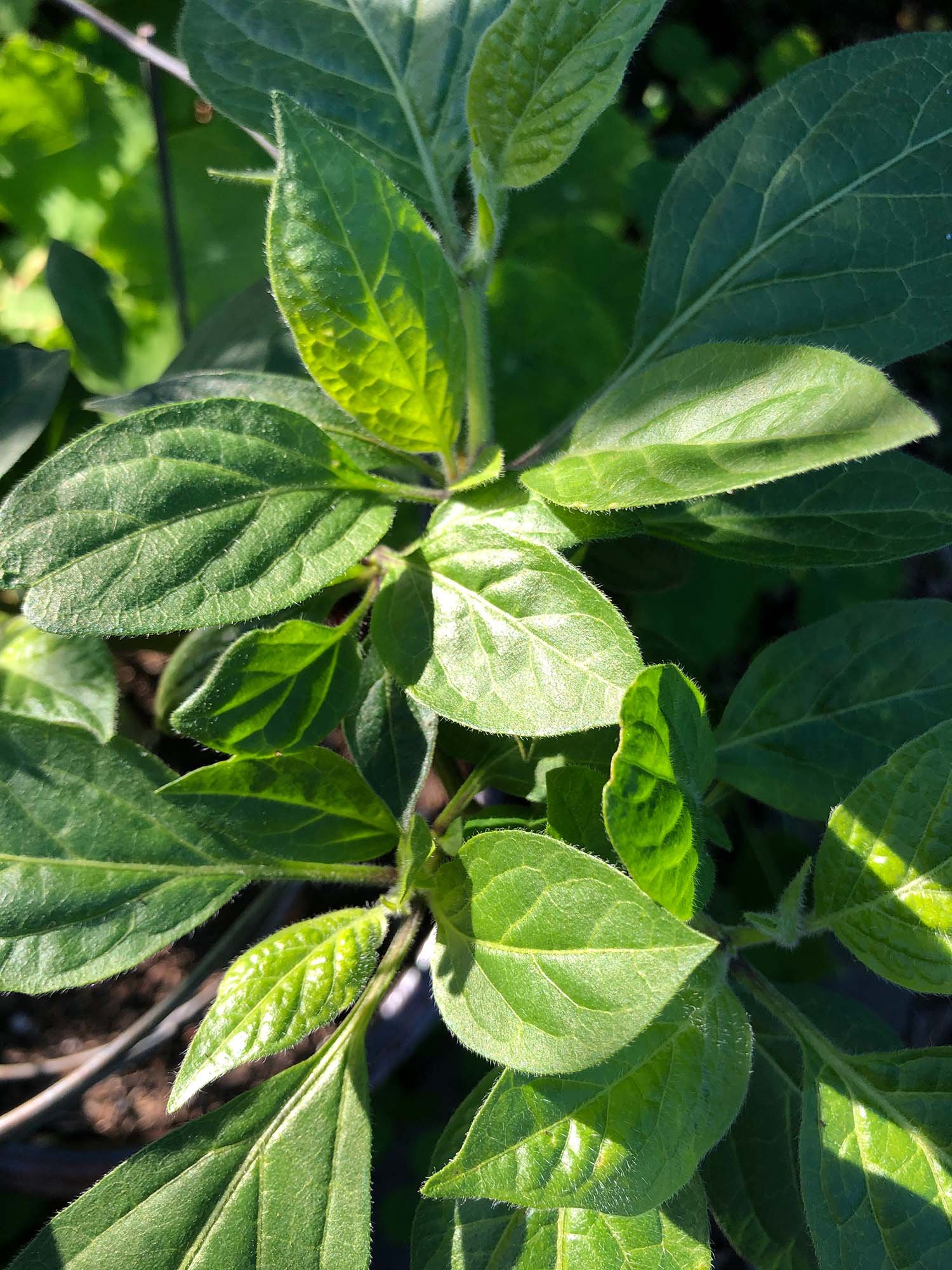
As most peppers in the SF Bay Area start to shrivel in the cold, the Rocoto shines.
Why Rocoto is a Bay Area Gardener's Best Friend
So, what makes the Rocoto so perfect for us here in the SF Bay Area? Several reasons:
Cold Hardiness: Unlike many tender pepper varieties that wither at the first sign of a chill, Rocoto peppers are surprisingly cold-hardy. They can tolerate temperatures significantly lower than most peppers, which means they'll keep producing well into our mild Bay Area winters, and often bounce back beautifully after a light frost.
Perennial Powerhouse: This isn't just a one-season wonder! In our temperate climate, the Rocoto acts as a true perennial pepper. With proper care, a single plant can live and produce for many years, growing into a substantial, woody shrub. Imagine having a fresh supply of peppers from the same plant, season after season!
Unique Flavor & Heat: As someone who loves a pepper with substance, I appreciate that Rocotos are like a small, thick-walled bell pepper with a decent, fruity heat. They offer a fantastic crunch and a range of pungency, from mild to quite fiery depending on the variety. This makes them incredibly versatile for salsas, stuffings, or simply sliced fresh onto your favorite dishes.
Pro Tip: Capitalize on Heat!
Here in Alameda (and throughout the Bay Area), microclimates are everything. My preferred method for growing Rocotos—and even annual peppers—is to plant them in large pots or containers.
Why containers? It allows you to utilize the warmest spots in your yard. I love moving my peppers right up against south-facing walls or fences. These walls absorb heat during the day and radiate it back onto the plants at night. This simple strategy significantly boosts warmth, leading to earlier flowering, better fruit set, and longer seasons for both perennial Rocotos and annual peppers!
Where to Find Your Rocoto Plants
Ready to add this incredible pepper to your garden? Finding Rocoto plants or seeds can sometimes be a bit of a treasure hunt, but it's well worth the effort.
My personal favorite local spot to pick up Rocoto pepper starts is Planting Justice in Oakland, CA. They are a fantastic organization doing incredible work for food justice and community empowerment, and their plant nursery often carries unique and well-adapted varieties like the Rocoto. Check out their offerings here: https://plantingjustice.org/
If you're looking for seeds, you might explore specialty seed companies online that focus on rare and heirloom peppers.
Adding a Rocoto pepper to your garden is more than just planting a vegetable; it's inviting a resilient, productive, and historically rich plant into your foodscape. Its ability to thrive in our climate as a perennial, its cold hardiness, and its delicious, unique fruit make it a must-try for any Bay Area edible gardener.
Happy Planting!
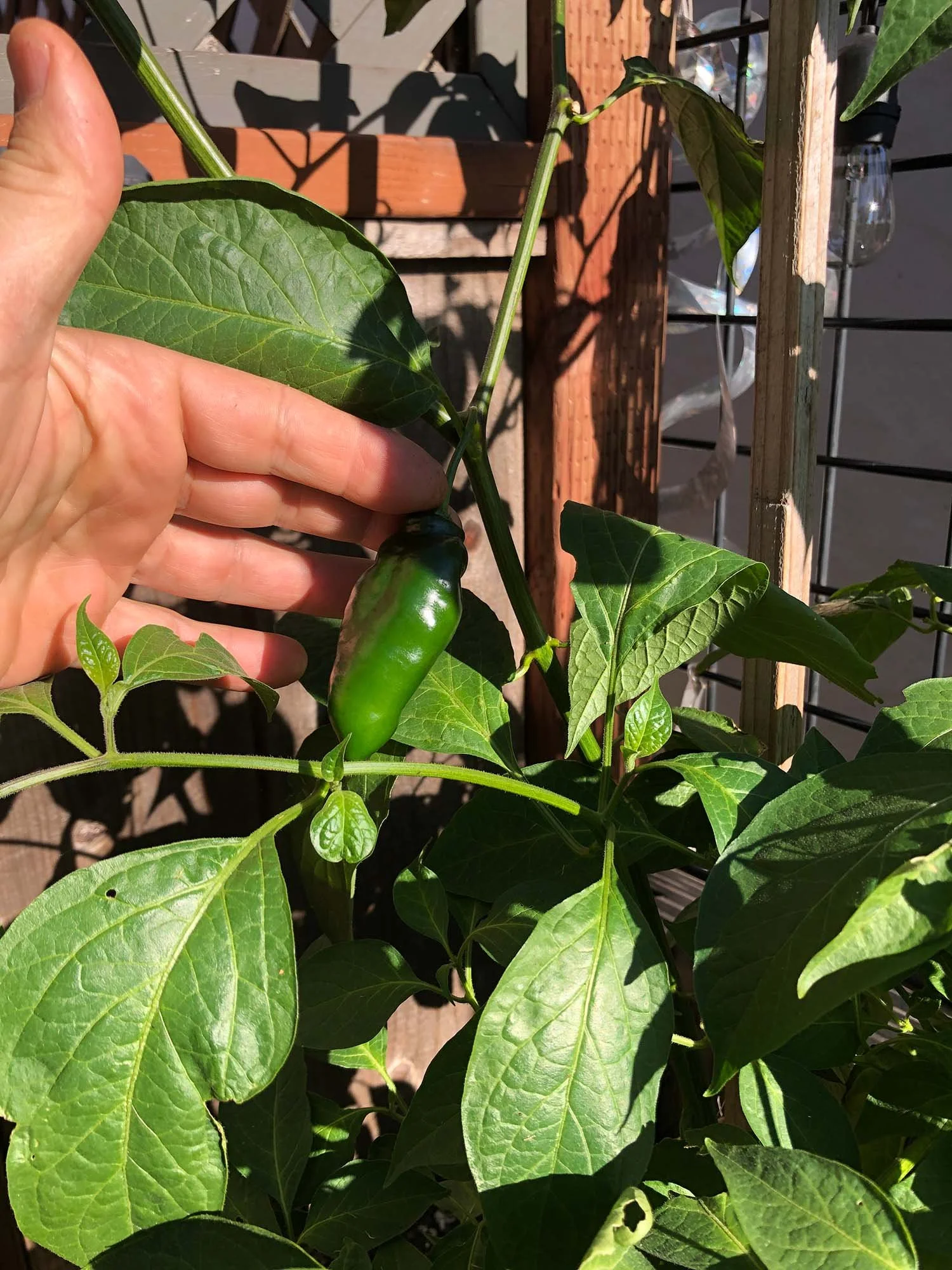
Just a short time after being planted, this one started fruiting.